Cleaning Services

The Move Out Cleaning Process

Move Out Clean

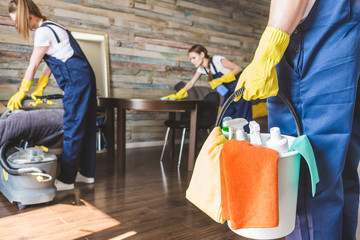
Move Out Clean process is essential for a smooth transition to your new home. It involves a thorough deep clean of the property and addresses areas that are usually overlooked in regular cleaning, such as the inside of ovens, behind furniture, and hard-to-reach spots like bathroom buildup and grime.

Deep Cleaning

Moving out of a home or apartment can be a stressful process, and ensuring the property is spotless can help reduce stress for both the tenants and the landlord. Professional cleaning services are an essential part of this process, as they offer a level of thoroughness that ensures every inch of the property is cleaned. However, not all cleaning companies are equal, and understanding the specifics of this service can help you find the best one to help ease your move.

The basic components of a move out cleaning involve deep scrubbing and detailed cleaning. This goes beyond sweeping and vacuuming surfaces, and includes cleaning inside appliances, behind furniture, and in difficult to reach areas. Additionally, it addresses hard-to-remove stains and grime. Depending on the condition of the property, additional tasks may be required like scrubbing and sanitizing toilets and showers, wiping down sinks and countertops, and shampooing carpeting.

If you’re looking for a quality cleaner to handle your move out cleaning, start by checking with local service providers and reading reviews online. Look for a company that is licensed, insured, and offers references. In addition, be sure to book your cleaning appointment early to avoid disappointment and ensure your preferred date is available. Additionally, be prepared for your clean by decluttering and preparing rooms in advance. This staged approach helps prevent last-minute stress and allows your cleaners to focus on the cleaning tasks at hand.

It’s also a good idea to have some cleaning supplies on hand in case you need to address any issues. For example, having a bottle of disinfectant can be helpful for disinfecting toilets and showers, while a small arsenal of cleaning sprays can be used to tackle tougher stains. Finally, be sure to use natural cleaning products that are better for the environment and your health than chemical-based cleaners. This will minimize your exposure to toxic chemicals during your move out cleaning.

Detailed Cleaning

A detailed cleaning goes far beyond a standard clean, addressing everything from scrubbing surfaces and fixtures to cleaning out drawers, inside cabinets, and underneath furniture. It also includes specialized services like steam or carpet shampooing, which are often not included in regular cleaning packages. Ultimately, a detailed cleaning will leave the property in a fully restored and hygienic state for its next occupants.

To make a lasting impression on your clients, pay attention to the little details in your work. A bit of dust on a baseboard or a sticky cabinet handle might seem insignificant, but these oversights can affect how clean and finished the space feels. It’s this attention to detail that sets the best cleaners apart from their competitors.

When looking for a professional cleaner to perform your move out cleaning, consider their online presence and reviews. You can also ask for references from previous customers to gauge their experience and reliability. A reputable service will have transparent pricing and clear information about what is included in their service and any additional fees.

Once you’ve found a reputable service, you can rest assured that your move out cleaning will be in good hands. A well-trained, experienced team will be able to complete all or most of your checklist items and will leave the place looking better than it was when you first moved in.

Moving out can be stressful, but a thorough cleaning can help you get your deposit back and ease the transition into your new home or apartment. Start decluttering and packing 1-2 weeks before your appointment to prevent last-minute stress. If possible, do some light prep work yourself before the cleaners arrive, like emptying trash and washing dishes. This will save time and money, and may even help you avoid any unexpected cleaning fees. A trusted NYC cleaning company like NY Best Maids can provide the quality and peace of mind you need to enjoy your move. Contact us today to see how we can help.

Often Overlooked Areas

During the chaos of moving, some areas may be overlooked in the cleaning process. Knowing what these common missed spots are can help you avoid surprise charges or complaints from property managers and landlords.

The bathroom is a critical area to focus on during move out cleaning, as it’s frequently used and can easily become dirty. Using a disinfectant cleaner, wipe the toilet bowl and base, clean showerheads and drains, and wipe down light fixtures and vents to ensure they are sparkling clean. The refrigerator is another important area to focus on, removing food and old condiments and wiping the shelves and interior walls. Lastly, be sure to thoroughly sweep and mop kitchen floors and wipe down cabinet doors, drawers, and appliances to remove dust, dirt, and grease.

Blinds and windowsills are often neglected, but should be cleaned during the move out cleaning process. Wiping down window sills and washing windows thoroughly can make a big difference in the look of a room. Ceiling fans and light fixtures can also collect dust and grime over time, which can affect the lighting and appearance of a room. Be sure to wipe down fan blades, clean inside light fixtures, and remove dust from bulbs.

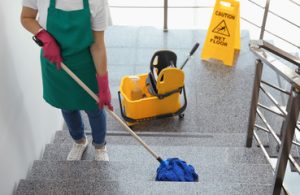
Floors are a major part of a space, and it’s crucial to vacuum and mop all flooring materials during the move out cleaning process. Use a high-quality natural cleaning solution and a microfiber mop to eliminate stains, dust, and dirt. Be sure to pay special attention to corners and under furniture, and if carpet is present, steam clean to remove odors and stains.

If you follow these tips, your move out cleaning will go much smoother and be less stressful. If you have the budget, hiring a professional cleaning service is a great way to save time and ensure a thorough job. A good cleaning service can be a lifesaver during a stressful time, and will give you peace of mind that your apartment or home will be left in excellent condition for the next occupants. Using a detailed cleaning checklist can also help you stay on track and meet any specific requirements from your lease or landlord, ensuring that you get your deposit back.
Cleaning Services

The Quiet Evolution of Modern Cleaning Services

This Helena Cleaning Service begins with the simplest goal—to restore order from chaos. Yet over time, it has evolved into something deeper and more precise. It has become a reflection of how humans value health, environment, and mental balance. Every sweep, wipe, and polish now carries purpose beyond cleanliness.

Cleaning Services

The modern cleaning industry is no longer just about appearance. It’s about creating harmony between people and their surroundings. Clean environments have been linked to focus, motivation, and emotional stability. In this sense, cleaning becomes both a science and an act of care.

Advanced technologies have redefined how cleaning is performed. Tools are now equipped with smart sensors that analyze dirt levels and surface types. These sensors ensure precision and efficiency without wasted effort. The process has shifted from repetitive routines to data-driven systems.

One of the newest innovations involves air purification during cleaning. Machines now release microscopic particles that capture airborne impurities. This dual-action system cleans both surfaces and the air simultaneously. It turns an ordinary service into an invisible shield of protection.

Cleaning materials are also transforming through sustainable chemistry. Modern solutions use plant-based compounds that are effective yet gentle. They eliminate bacteria without releasing harmful residues into the environment. This innovation shows how technology and ethics can coexist.

The rise of digital monitoring has changed service accountability. Clients can now track cleaning progress in real time through mobile dashboards. Each task completed is logged and verified automatically. Transparency builds trust while ensuring consistent quality.

Automation plays a major role in redefining efficiency. Autonomous cleaning devices now navigate rooms using artificial intelligence. They map layouts, avoid obstacles, and adapt to traffic flow patterns. These smart systems learn, remember, and improve over time.

Yet, human touch remains irreplaceable in this evolving industry. There is artistry in attention to detail that machines still struggle to replicate. A skilled cleaner understands emotion behind organization and aesthetics. They sense when a space not only looks clean but feels renewed.

A growing trend in cleaning services focuses on sensory well-being. Some teams now use aromatherapy-based solutions to influence mood while cleaning. Calming scents reduce stress and enhance mental clarity. Cleanliness becomes a holistic experience that nourishes the senses.

Another innovation lies in the integration of UV sterilization technology. Portable devices use ultraviolet light to neutralize pathogens instantly. These systems reduce chemical use and enhance hygiene precision. The approach brings hospital-grade sanitation into everyday environments.

Eco-conscious clients have driven the rise of zero-waste cleaning models. Companies adopt refillable containers, reusable cloths, and biodegradable packaging. The circular design minimizes environmental footprint without sacrificing effectiveness. It represents a cleaner planet through cleaner methods.

Data analytics now support predictive maintenance cleaning. Algorithms assess usage patterns and recommend cleaning schedules proactively. This method prevents buildup before it begins, saving both time and cost. Spaces stay consistently clean without relying on reactive responses.

In public spaces, cleaning services take on new social responsibility. Regular sanitation influences public confidence and community safety. The visibility of cleaners represents reassurance in uncertain times. They have become essential frontliners in preserving shared trust.

The personalization of cleaning has become another growing trend. Some clients prefer hypoallergenic approaches tailored to health conditions. Others request scent-free, chemical-free options for sensitive environments. The flexibility transforms cleaning into a customized wellness service.

The design of cleaning tools also evolves toward ergonomics. Handles are shaped to reduce strain, and lightweight materials improve mobility. Efficiency meets comfort, allowing cleaners to sustain performance longer. The job becomes both precise and physically sustainable.

Robotic systems in industrial cleaning demonstrate impressive adaptability. They handle complex environments such as warehouses or airports effortlessly. Machine learning enables them to distinguish between spills and stains. Each task completed adds data for future refinement.

The aesthetics of cleanliness are also changing. Minimalist spaces rely on invisible cleaning methods to maintain their look. Hidden filtration systems and self-polishing coatings reduce visible maintenance effort. The result is uninterrupted beauty without constant human presence.

Psychologists have studied the impact of clean environments on emotion. People exposed to tidy surroundings experience reduced anxiety and greater productivity. Cleanliness shapes perception and influences social interaction subconsciously. It becomes part of behavioral design rather than simple hygiene.

Innovations in microbial-resistant coatings have entered modern cleaning strategies. These coatings prevent bacteria from attaching to surfaces for extended periods. They act as a passive shield even between cleaning sessions. It’s a scientific evolution of prevention over correction.

In corporate settings, cleaning contributes to workplace culture. A consistently maintained office signals respect and professionalism. Employees feel valued when their environment is safe and organized. Cleanliness thus reinforces trust and collective motivation.

Residential cleaning, too, has taken on emotional depth. Homeowners see it as self-care rather than a chore. A clean home reflects mental order and creates breathing space for thought. The ritual of cleanliness becomes therapeutic and grounding.

The concept of “quiet cleaning” is gaining popularity. This technique uses silent equipment to maintain calm during working hours. It ensures productivity continues uninterrupted while cleanliness persists. Noise reduction technology merges hygiene with peace.

Emerging systems now use water ionization for deep cleaning. By converting water into charged particles, these systems dissolve grime naturally. No harsh chemicals are needed, only science and simplicity. It’s innovation inspired by the purity of nature itself.

Post-cleaning analytics provide insights into hygiene performance. Devices measure air quality, surface moisture, and microbial presence after cleaning. Reports confirm the effectiveness of each process with measurable proof. It’s precision meeting accountability in real time.

Emotional intelligence training has entered the cleaning profession. Workers learn how to read the emotional tone of a space before cleaning. Their goal is not only to remove dirt but restore atmosphere. A balanced environment supports the human spirit within it.

Lighting has also become part of modern cleaning systems. Ultraviolet lamps are used strategically to reveal invisible dust trails. It allows cleaners to address neglected zones with surgical accuracy. Each task becomes a combination of science and craftsmanship.

One subtle yet significant trend is mindful cleaning. Cleaners are encouraged to focus consciously on rhythm and motion. The repetitive movements become meditative, promoting both precision and calm. It turns routine work into an act of mindfulness.

Biotechnology continues to shape cleaning innovation. Enzyme-based cleaners target specific organic matter like grease or odor. These bio-solutions digest impurities naturally without synthetic chemicals. Nature once again inspires modern problem-solving.

In luxury environments, cleaning has evolved into aesthetic curation. Surfaces are treated like art pieces, each requiring specialized care. The focus is on preservation and subtle enhancement rather than mere washing. Cleanliness merges with visual sophistication.

Digital ecosystems now link multiple cleaning teams across locations. Cloud systems coordinate schedules, tasks, and feedback seamlessly. This interconnected structure maximizes consistency and resource efficiency. Global operation feels local in precision.

The health benefits of professional cleaning continue to expand. Improved indoor air quality reduces respiratory issues and allergies. Regular deep cleaning supports better sleep and overall wellness. Clean spaces become invisible contributors to quality of life.

Nanotechnology introduces invisible shields that repel dirt and water. These ultra-thin coatings protect surfaces for months without maintenance. Dust and moisture slide off effortlessly, preserving the initial shine. The future of cleaning may rely more on prevention than repetition.

The perception of cleaners has also evolved socially. Once considered invisible labor, they are now seen as key contributors to safety. Their expertise demands respect, training, and fair recognition. The modern cleaner is a professional in both skill and science.

Home cleaning services are adopting emotional design principles. Teams create subtle patterns in pillow arrangements or fabric folds. These touches communicate intention and human presence. Cleanliness thus becomes an art of storytelling through order.

Hybrid cleaning systems merge manual and robotic efforts harmoniously. Machines handle repetition while humans focus on detailed artistry. This combination ensures perfection with efficiency. It’s a balanced partnership of intelligence and intuition.

Sustainability remains a driving principle behind every modern approach. Water-saving methods, energy-efficient machines, and biodegradable products dominate. Cleaning evolves alongside global responsibility for environmental preservation. The sparkle of cleanliness now reflects conscience.

Innovation in fabric care cleaning brings precision to textiles. Steam control systems adjust to material sensitivity automatically. They extend fabric life while maintaining softness and vibrancy. Technology turns preservation into effortless care.

Public transportation cleaning has adopted antiviral protection layers. These coatings deactivate pathogens upon contact between passengers. It transforms everyday surfaces into barriers of defense. Hygiene becomes public infrastructure in motion.

Training programs now integrate psychology, ergonomics, and digital literacy. Cleaners become well-rounded experts capable of interpreting both spaces and systems. Their adaptability ensures relevance in a fast-changing world. Education elevates cleaning from labor to expertise.

Clients now view cleaning as an investment rather than an expense. The longevity of materials and health benefits justify continuous service. Clean environments increase property value and occupant satisfaction. The outcome extends beyond appearance to tangible advantage.

A growing innovation explores scent-neutralizing nanocapsules. These microscopic spheres capture odor molecules and release freshness gradually. They sustain a natural, breathable scent balance indoors. It’s science applied with elegance and subtlety.

The next frontier in cleaning may involve robotics equipped with emotional AI. Machines could detect stress levels through environmental cues and adjust lighting or scent. Cleaning becomes dynamic emotional support through sensory intelligence. This fusion of empathy and automation could redefine comfort.

As people spend more time indoors, the importance of cleanliness deepens. It influences creativity, health, and overall life satisfaction. Spaces that are clean breathe better and feel alive. In the quiet work of cleaners lies the heartbeat of modern comfort.

Ultimately, cleaning service is an art disguised as labor. It restores clarity where clutter once ruled and brings rhythm to spaces. What was once routine has become refined and visionary. In every sweep and shine lies the promise of renewal and balance.